Fair Security Deposit Deductions: A Common-Sense Guide for Renters & Property Managers


The average American moves nearly 12 times in their lifetime. Each of these move-outs offers renters a valuable opportunity to ensure the return of their security deposit and a fair and transparent end to their lease. But let’s face it: move-outs are often the most stressful and emotionally charged moments in the renter–property manager relationship. What once felt like a stable, trusting partnership can sometimes resemble a breakup: full of tension, confusion, and even legal disputes.
At Obligo, our mission is to build and protect trust between renters and property managers, especially during the critical move-out phase. Whether a property takes traditional security deposits or offers a No Deposit option, navigating move-out charges can be confusing and contentious. Regulatory bodies across the country have taken notice, legislating specific information and timeline requirements for security deposit returns. But too often, these conversations focus solely on what's legal, not on what's fair or transparent.
We believe there’s a better way forward. The final days of a lease shouldn’t undo months of positive experiences. Recency bias is real: one negative interaction at move-out can overshadow a year of good service. That’s why we launched the Renters Trust Awards, to recognize property managers who lead with transparency and fairness - values that directly shape renter satisfaction and reduce chargeback rates at move-out.
Because while friction may seem inevitable, it doesn’t have to be. In this article, we’re setting aside the legal fine print for a moment to focus on common-sense principles. Guidelines that should shape move-out charges and deposit deductions, regardless of local laws. We hope these insights serve renters, landlords, and property managers alike.
Six Common Sense Principles of Fair Move-Out Charges
1. No Unavoidable Fees: Renters should be able to move-out without charges
Every responsible renter deserves the chance to move out without being penalized, especially when they return the unit clean and in good condition. It’s fundamentally unfair to impose blanket move-out fees that apply regardless of the unit’s condition. Common examples include mandatory cleaning charges, automatic lock and key replacements, or compulsory painting costs.
At Obligo, we’re proud to uphold higher standards. Property managers in our network must demonstrate that a meaningful share of their renters move out without deductions at a rate appropriate to their specific property class and jurisdiction. It’s how we ensure fairness is more than just a buzzword.
2. No Surprises: Renters should know exactly what to expect, and how to avoid charges
Property managers have overseen hundreds, sometimes thousands, of move-outs. They know what qualifies as reasonable wear and tear, what deductions are justified, and what federal, state, and local laws allow or prohibit. Renters, on the other hand, have a fraction of that experience. That imbalance creates risk: what feels standard, routine, and legally sound to a seasoned property manager can feel confusing, arbitrary, or unfair to a renter who lacks that experience or legal context.
That’s why we encourage all of our property management partners to share a clear, upfront move-out policy - both at move-in and again before move-out. This policy should include:
- An explanation of potential charges: Whether it’s for unpaid rent or utilities, early lease termination (with or without notice or leaving without a replacement tenant), damage to the unit, etc.
- Clear repair or replacement guidelines: Especially for appliances and fixtures, plus whether admin fees apply.
- Problem areas to keep an eye on: This could include abandoned personal items, unauthorized alterations, painting expectations, and other common sources of friction.
Even better? A pre-move-out walk-through. This gives renters a chance to fix potential issues before they become charges, and dramatically reduces the likelihood of conflict later.
3. No Charging for Wear and Tear: Renters should never be penalized for normal use
Wear and tear is a natural part of any tenancy. It includes scuffs, light marks, worn flooring, faded paint, and any deterioration that occurs from normal, responsible use.
To help make fair distinctions, we can use the "Owner-Occupant Test": If the owner had lived in the unit and caused the same damage, would they pay to fix it?
Example:
Imagine a renter notices light surface scratches on a stovetop after a year of regular cooking and cleaning. It’s not misuse, just the natural result of daily meals. An owner-occupant would expect this kind of wear over time and wouldn’t penalize themselves for it.
4. No Free Renovations: Renters shouldn’t be billed for upgrades
When a tenant causes damage that goes beyond normal wear, landlords can charge for repairs, but move-out fees shouldn’t be used as a way to upgrade the property.
Example 1:
A child breaks a window. The landlord replaces it with a like-for-like window and passes along the costs. That’s fair.
Example 2:
A tenant breaks a 5-year-old washing machine. The landlord replaces it with a high-end, brand-new model. Charging the tenant the full $1,500 is unfair. It’s an upgrade. Instead, charges should reflect the depreciated value of a similar replacement.
Here’s a simple formula:
Tenant’s Charge = Cost of a similar replacement × (Remaining Lifespan / Total Lifespan) + Any Applicable Admin Fee
In this case:
- Similar replacement: $1,000
- Machine lifespan: 10 years
- Machine age: 5 years
- Tenant pays: ½ × $1,000 = $500 + any applicable administrative fees
Fair, proportional, transparent.
5. No Mysteries: Itemized, timely documentation builds trust
Nobody likes a surprise charge, especially when there’s no explanation. Move-out deductions should always be clear, detailed, and well-documented. That means:
- 🧾 Checklists
- 📸 Photographs
- 💵 Itemized cost breakdowns (and receipts)
Renters should receive this documentation, along with any deposit refund, within the jurisdiction’s required timeline after moving out. It’s not just best practice, it’s a trust-building opportunity.
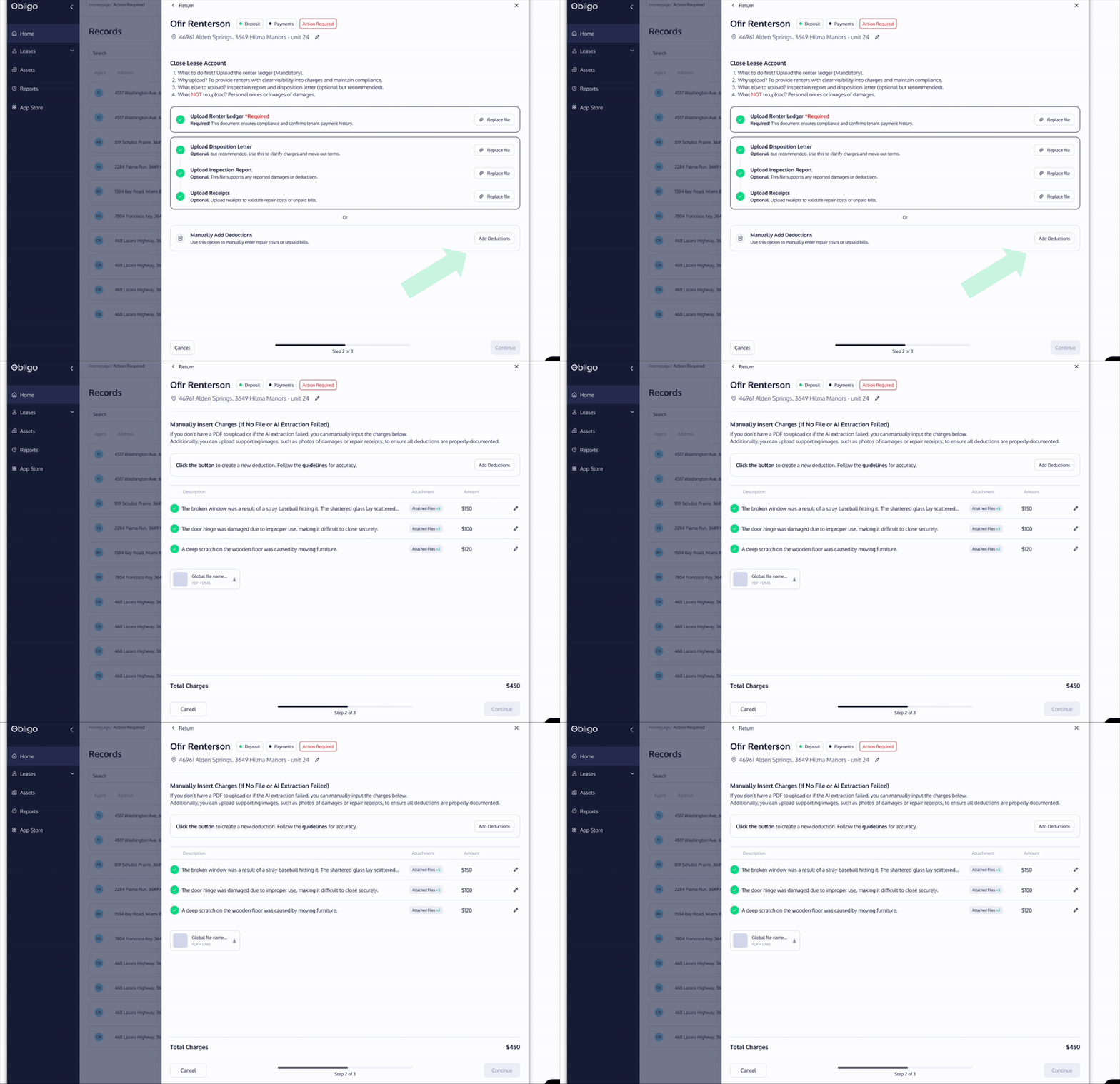
In Obligo, we give property managers tools to add clear explanations and upload supporting documentation—so move-out charges are never vague.
6. No Nonsense: All charges must be legal
While this guide is built on common-sense principles, we have to underscore one thing: move-out charges must comply with the law.
This includes compliance with federal, state, and local rules including:
- Maximum deposit limits
- Refund timelines and interest
- Fair wear and tear exclusions
- Documentation requirements
- Permissible deduction categories
The best property managers treat legal compliance as a core part of their responsibility to tenants, and it shows. At Obligo, we hold ourselves and our partners to clear, consistent standards. That means we do not continue working with owners or managers who submit impermissible charges, and we’re proud to support practices that are fair, compliant, and sustainable for everyone involved.
Why Renter Trust Matters
When you help a renter move out without unnecessary charges, and they know it, you’ve earned more than a clean unit. You’ve earned their gratitude, their respect, and often, their five-star review.
That review is a valuable asset. It speaks not just to future renters, but also to property owners searching for a management company they can trust.
At Obligo, we know that the overwhelming majority of property managers are honest professionals doing their best to balance the needs of owners and residents alike. We also know the industry is often misunderstood, and even unfairly maligned. Many renters have been conditioned to expect conflict, hidden fees, or disregard. Let’s change that perception, together.
Because when a property manager treats renters with fairness and communicates clearly,, they're doing more than avoiding disputes or boosting business. And renters who treat their units like they would their own home - ticking off those items that ensure a smooth transition to the next tenant - are doing more than just ensuring a $0 move-out. They’re a core part of building the kind of industry we can all be proud of.
Thank you for helping us make a difference.
— The Obligo Team
Download our move-out checklist here
Disclaimer: This article is intended for general informational purposes only and is not legal advice. We make no representations or warranties as to its accuracy and completeness. Security deposit and security deposit alternative laws vary by jurisdiction and may change. You should not rely on any information contained herein to act (or refrain from acting) without first consulting with qualified legal counsel.
.png)
.png)

.png)
